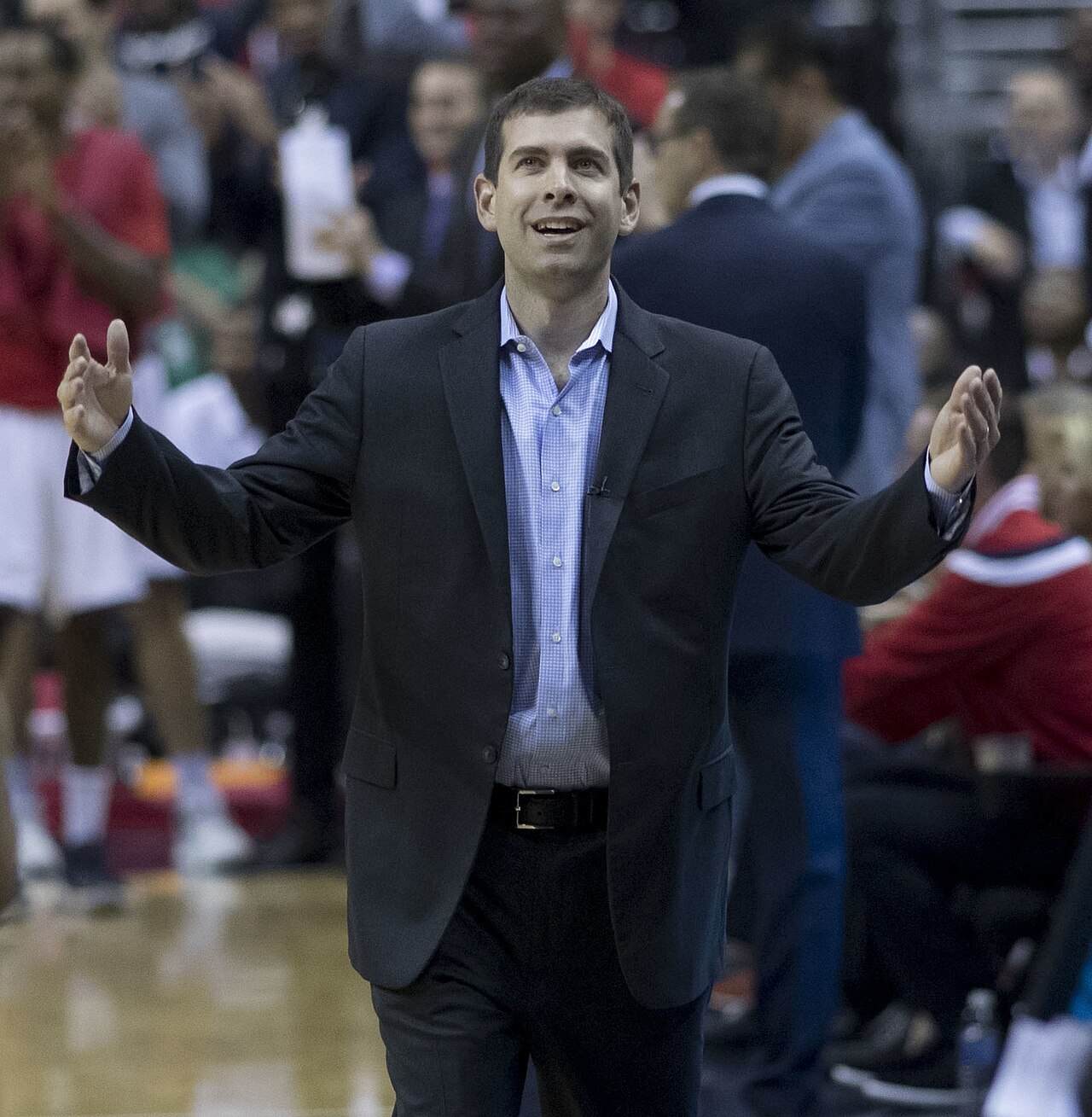
Brad Stevens: Age, Net Worth & Salary Insights Explained
Brad Stevens has long been a captivating figure in the world of professional basketball. From his remarkable rise as a college coach to his impactful tenure as an NBA head coach and now, as a dynamic front office executive, his journey has been nothing short of extraordinary. As with many high-profile personalities in sports, there's significant public interest not just in his strategic prowess on the court or in the boardroom, but also in his personal and financial landscape. This article delves into the various factors that contribute to Brad Stevens' age, explores the components that shape his estimated net worth, and sheds light on the evolution of his salary throughout his storied career.
Understanding the financial standing of a figure like Brad Stevens requires looking beyond simple numbers. It involves examining career trajectory, market value, strategic decision-making, and the compounding effect of success over time. While exact figures for a public individual's net worth are rarely disclosed and often remain speculative, we can offer valuable insights into how these figures are typically estimated and the forces behind their growth.
From Court General to Front Office Mastermind: Brad Stevens' Journey
Brad Stevens' career path is a testament to consistent excellence and strategic growth. Born on October 22, 1976, he demonstrated an early affinity for basketball, first as a player at DePauw University, where he earned a degree in economics. His early professional life saw him working in the corporate sector, a background that likely honed the analytical skills he would later apply to basketball.
His true calling became evident when he transitioned to coaching. Stevens first gained national prominence as the head coach of Butler University. During his time there (2007-2013), he led the Bulldogs to an unprecedented two consecutive NCAA championship game appearances in 2010 and 2011, transforming a mid-major program into a perennial contender. His calm demeanor, tactical brilliance, and ability to maximize player potential quickly caught the attention of the NBA.
In 2013, at the relatively young age of 36, Stevens made the leap to the professional ranks, taking the helm as head coach of the Boston Celtics. Despite inheriting a rebuilding team, he quickly established himself as one of the league's brightest coaching minds, consistently exceeding expectations and guiding the Celtics to multiple playoff appearances, including three Eastern Conference Finals berths. His tenure as head coach solidified his reputation as an elite strategist and leader.
In 2021, Stevens transitioned from the sidelines to the front office, being promoted to President of Basketball Operations for the Celtics. This pivotal move showcased his versatility and the organization's immense trust in his vision. In this role, he is responsible for all basketball decisions, from player acquisitions to coaching staff appointments, impacting the long-term trajectory of one of the NBA's most storied franchises.
Unpacking Brad Stevens' Net Worth: Factors and Estimations
Estimating the net worth of a public figure like Brad Stevens involves considering a multitude of financial streams and assets accumulated over a successful career. For someone who has spent over two decades in high-level basketball, his wealth is built upon a foundation of significant salaries, potential endorsements, and wise investments. While a precise figure is not publicly available, we can analyze the components that contribute to his overall financial picture.
- Career Salaries: This is arguably the largest contributor to Brad Stevens' net worth. His earnings have steadily climbed from his college coaching days to his lucrative NBA contracts as both a head coach and now as the President of Basketball Operations. Each step up the career ladder came with a substantial increase in compensation.
- Endorsement Deals: While perhaps not as extensive as those of superstar players, successful coaches and executives often secure endorsement deals with sports brands, local businesses, or even national companies. These can significantly supplement their primary income.
- Investments: High-earning individuals typically invest a portion of their income in various assets such as real estate, stocks, bonds, and other financial instruments. Given Stevens' background in economics, it's reasonable to assume a prudent approach to wealth management.
- Bonuses and Incentives: Performance-based bonuses, common in sports contracts, can add significantly to annual earnings, especially for a coach who consistently achieved success or an executive making impactful moves.
Considering the length and success of his career, especially at the NBA level, Brad Stevens has undoubtedly accumulated substantial wealth. His shift to a high-level executive role further solidifies his earning potential for the foreseeable future. To delve deeper into the specifics of his financial journey, you might find valuable insights in articles like Brad Stevens Net Worth: Exploring His Career Earnings, which further examines the trajectory of his income, and Brad Stevens' Net Worth, Salary & Personal Life Details, offering a more holistic view of his life and its financial implications.
A Look at Brad Stevens' Salary Evolution
Brad Stevens' salary has undergone a dramatic transformation over his career, reflecting his increasing value and responsibilities within the basketball world. His journey serves as an excellent case study for how expertise and success are compensated in professional sports.
- Butler University: As a college coach, Stevens' salary would have been competitive within the NCAA mid-major landscape. While specific figures from that era are less commonly publicized, a successful Division I coach would earn a six-figure salary, with performance incentives. This period was crucial for building his reputation and laying the groundwork for future opportunities.
- Boston Celtics Head Coach: When Stevens joined the Celtics in 2013, he signed a reported six-year, $22 million contract. This was a significant jump from his collegiate earnings, placing him among the higher-paid first-time NBA head coaches. His success with the team led to an extension in 2016, reportedly for an undisclosed period and amount, but widely speculated to be a raise given his performance. In 2020, he signed another long-term extension, further cementing his top-tier coaching salary, likely pushing him into the $4-6 million per year range, if not higher, demonstrating the escalating market value for proven NBA head coaches.
- President of Basketball Operations: His transition to the front office in 2021 brought another significant increase in compensation. NBA executives, particularly those holding the top decision-making role like President of Basketball Operations, command substantial salaries. These roles typically pay anywhere from $5 million to over $10 million annually, depending on experience, market, and franchise size. Given Stevens' successful track record and the Celtics' stature, his current salary as POBO is undoubtedly in the upper echelon of NBA executives, underscoring his pivotal role in the organization.
The consistent upward trajectory of Brad Stevens' salary is a direct reflection of his unique skill set, leadership qualities, and the undeniable success he has brought to every program he has led. Each new contract has acknowledged his growing influence and the market's demand for his talents.
Age and Career Longevity: The Stevens Blueprint
At 47 years old (as of late 2023), Brad Stevens is still relatively young for someone with such an extensive and successful coaching and executive career. His age has played a fascinating role in his journey, offering both advantages and shaping perceptions.
- Early Ascent: Stevens was remarkably young when he achieved significant milestones. Becoming a Division I head coach at 30, leading Butler to two national title games in his early 30s, and then taking an NBA head coaching job at 36 are all indicators of exceptional talent recognized early. This early ascent meant he had a longer runway for career development and earning potential compared to peers who reached similar heights later in life.
- Sustained Relevance: His current age, still in his late 40s, positions him perfectly for long-term impact as a basketball executive. Unlike coaching, which can be physically and mentally draining with a shorter average tenure, a front office role can offer greater longevity. He has potentially decades ahead of him in a high-level executive capacity, allowing him to further build his legacy and financial portfolio.
- Adaptability and Evolution: Stevens has demonstrated an impressive ability to adapt, first from college to NBA coaching, and then from coaching to executive management. This flexibility suggests a career that can evolve with the demands of the sport, rather than being limited to a single role. His age means he brings a blend of contemporary understanding and accumulated wisdom to his decisions.
- Negotiating Power: With a track record of success at every level and his relative youth, Stevens holds considerable negotiating power. Teams and organizations recognize the long-term value he brings, which translates into more lucrative and secure contracts.
Brad Stevens' age, combined with his strategic brilliance and continuous career evolution, paints a picture of sustained success and significant future potential. His journey serves as a compelling example of how a combination of talent, hard work, and smart career choices can lead to both professional longevity and substantial financial reward.
Practical Insights from Brad Stevens' Career
Brad Stevens' journey offers valuable lessons, not just for aspiring sports professionals, but for anyone looking to understand career progression and financial growth:
- Strategic Transitions are Key: Stevens didn't stay comfortable in one role. Moving from college to NBA, and then from coaching to the front office, significantly increased his influence and earning potential. Understanding when to pivot can unlock new levels of growth.
- Build a Reputation for Excellence: His consistent success, even with underdog teams, created a powerful brand for him. A strong track record is a primary driver for higher salaries and more prominent opportunities.
- Value Versatility and Adaptability: Stevens proved he could succeed in different capacities. Developing a diverse skill set makes an individual indispensable and opens up more career pathways.
- Long-Term Vision Pays Off: The Celtics' commitment to Stevens in various roles indicates a belief in his long-term vision. For individuals, thinking several steps ahead in a career can lead to greater stability and financial reward.
Conclusion
Brad Stevens' story is one of relentless pursuit of excellence, marked by strategic career decisions and a profound understanding of basketball. While the precise figures of his net worth and salary remain private, the trajectory of his career, from a respected college coach to a highly compensated NBA executive, clearly illustrates how dedication, talent, and adaptability translate into significant financial success. His journey showcases the profound impact that a skilled and dedicated individual can have in professional sports, influencing not just the game itself, but also inspiring interest in the personal and financial narrative behind a modern basketball icon. His age allows him many more years to continue shaping the NBA landscape, further solidifying his legacy and financial standing.
